Working closely with modern online platforms, I’ve seen how the digital landscape is shifting toward deeper user interaction and richer digital experiences. Nerwey started as a distinctive term, but in practice it reflects adaptability, clarity, and purpose driven development that truly supports businesses, creators, and users. Instead of adding noise, it encourages intuitive solutions built on scalable technology, helping teams design powerful systems that feel natural to modern internet users and stay relevant over time.
As digital ecosystems grow in complexity, there is clear demand for smarter frameworks and more thoughtful platforms. I’ve personally worked on projects where the goal was to simplify processes without reducing potential, and that is where Nerwey proves its value. With the right structure and focus on performance, teams can deliver meaningful engagement across diverse digital environments, while maintaining strong usability and steady innovation.
What makes Nerwey stand out is its lasting relevance as a guiding concept rather than a rigid system. When expectations around growth and long-term interest are aligned with real user needs, platforms evolve more smoothly. From experience, designing with user interaction at the center leads to better digital experiences, and that mindset is exactly how Nerwey is shaping the future of digital platforms.
What Is Nerwey and Its Core Concept
this concept represents more than a simple name.From my experience working with evolving digital systems, it reflects a clear philosophy that aims to prioritize efficiency while keeping flexibility at the center. Instead of adding unnecessary complexity, Nerwey focuses on streamlining interactions so that features always serve a clear purpose. This way of thinking grew as digital tools went through constant evolution, especially when early platforms focused only on functionality and ignored real user experience.
What makes this framework stand out today is how it sits at the intersection of design, performance, and scalability. I’ve seen many modern solutions struggle because they fail to maintain the right balance, but Nerwey promotes a balanced approach that respects both people and systems. By learning from early platforms and improving how digital systems are built, Nerwey helps teams create tools that grow smoothly without losing clarity or control.
Why Nerwey Is Important in Today’s Digital World
In today’s digital world, I see many crowded platforms fighting for competing attention, and this is where Nerwey brings real relevance. There is a growing emphasis on sustainable growth and long term usability, not just short-term trends. As technologies evolve and user behaviors change, teams need adaptive systems that work across industries, including content platforms and business tools. From experience, following strong principles that fit multiple contexts gives products real versatility, which helps developers and decision makers build effective solutions that meet changing digital needs over time.
Many older platforms still rely on a traditional approach with poor user experience, feature heavy interfaces, and little focus on clean design or intuitive design. I’ve worked on systems where scalability failed because of limited growth planning, painful expansion, weak performance, and slow reactive optimization instead of proactive efficiency. These limitations come from rigid structures used in older digital models. Nerwey addresses this by encouraging adaptability through flexible frameworks, making it easier to grow without breaking what already works.
Read More Articles About Tech On TechSaasWrote.
Nerwey and User-Centered Design Approach
In my experience building and reviewing digital products, Nerwey clearly reflects a strong user centered design philosophy shaped around real needs. Today’s modern users expect easy navigation without losing advanced functionality, and that balance only works through thoughtful design choices. When teams focus on how to reduce friction and improve engagement, the appearance of a platform becomes purposeful rather than decorative. I’ve seen firsthand how accessibility and responsiveness turn average tools into reliable solutions that users actually enjoy using.
What sets this approach apart is how logical workflows are created by prioritizing elements around efficient goals. The impact of applying Nerwey principles across platforms is visible when strong principles guide decisions instead of shortcuts. Better content engagement, higher return frequency, and growing trust are natural outcomes of this process. Over time, this focus leads to long term digital success, not just short bursts of attention.
Role of Nerwey in Digital Branding
In the digital age, I’ve seen how Nerwey plays a quiet but powerful role in shaping strong brand identity. Brands today need consistency in both experience and message, especially as they build an online presence. Nerwey helps by bringing clarity and structure to how teams communicate values through digital branding. When done right, this creates a cohesive feel supported by professional design, smooth navigation, and clear content presentation that reinforces the core brand message.
What truly strengthens branding is coherence across all touchpoints. I’ve worked on projects where improved branding elements like visual consistency replaced fragmented design with a unified appearance. Strong messaging flow avoids disconnected content and supports structured storytelling, which builds credibility and improves audience perception. Over time, this leads to greater user trust, more reliable interaction, and stronger brand recall, memorability, and recognition, which is why many digital strategists see Nerwey as a long-term branding advantage.
Nerwey as an Innovation Framework
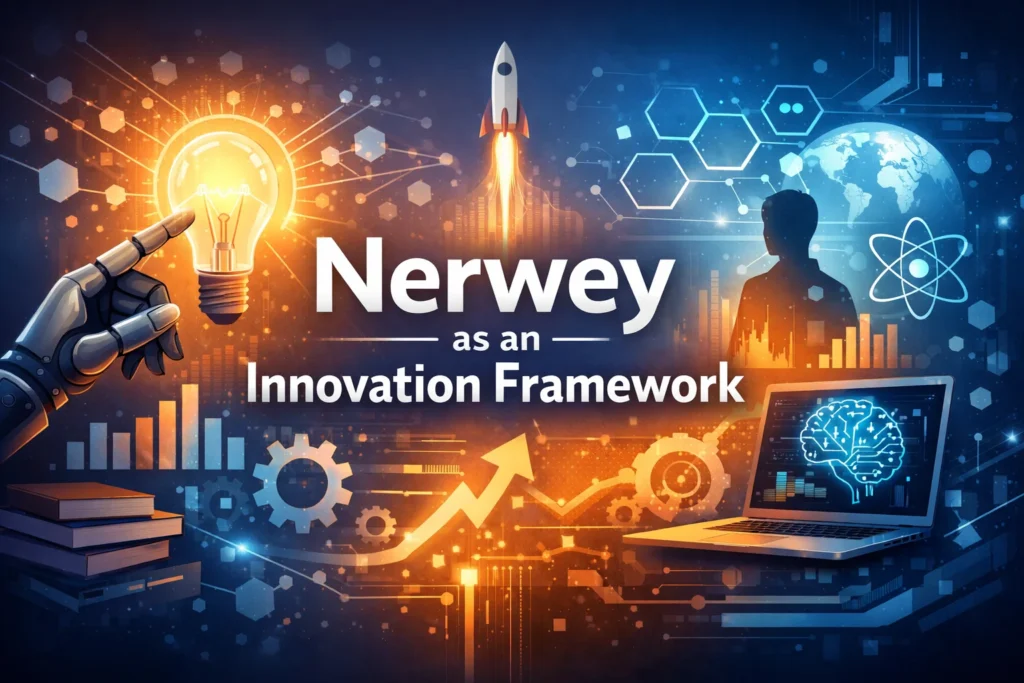
From my hands-on work with product teams, Nerwey supports real innovation by allowing safe experimentation without losing stability. As a framework, it encourages creative development inside a structured environment, so teams can test ideas while protecting system integrity. Instead of forcing rigid rules, Nerwey relies on guiding principles that help developers and designers make informed decisions that stay aligned with broader goals.
This approach leads to purposeful innovation rather than chaotic processes, which I’ve often seen slow progress. In fast moving industries marked by constant change, Nerwey helps build responsive organizations that keep their focus while adapting quickly. From experience, having a clear framework like this makes innovation repeatable, practical, and sustainable instead of risky and reactive.
How Nerwey Supports Scalable Digital Growth
From my experience leading a digital initiative, Nerwey was designed with scalability in mind, not as an afterthought. Many platforms struggle during growth and expansion because they lack modular structures and flexible structures guided by clear principles. Nerwey makes it easier to introduce new features, manage increased traffic, and maintain manageable systems without driving up long term costs or causing minimized disruptions during critical growth phases. This approach supports true scalable development instead of temporary fixes.
In contrast, I’ve worked with conventional systems where feature expansion required complex restructuring, leading to poor modular integration and weak traffic handling. These issues often created performance bottlenecks, forcing rushed fixes instead of optimized load management. With Nerwey, maintenance becomes smoother, avoiding frequent overhauls and enabling continuous improvement. This results in fewer unpredictable costs and more efficient control, which is essential for long-term digital success.
Common Frequently Asked Questions!
What problem does this concept solve for digital platforms?
It helps reduce complexity by creating systems that are flexible, scalable, and easier for users to interact with over time.
How does this approach improve user experience?
It focuses on clear structure, intuitive design, and smoother workflows, which make platforms easier and more enjoyable to use.
Can this framework support long-term growth?
Yes, it is built to handle expansion, higher traffic, and new features without major redesigns or performance issues.
Is this approach suitable for modern technologies like AI?
The framework is designed to integrate emerging technologies smoothly while maintaining system stability and control.
Who can benefit most from this digital approach?
Developers, designers, businesses, and platform owners who want sustainable growth and better user engagement can benefit the most.
Nerwey and the Future of Digital Platforms
Looking at the future of digital platforms, I see Nerwey having a strong influence as users develop expanding expectations for better products. People now want faster experiences, smarter systems, and more personalized experiences without losing trust. From my work, platforms that have a solid foundation and built-in stability are far better prepared to adopt emerging technologies, especially artificial intelligence, without breaking existing workflows.
What keeps Nerwey ahead is its focus on smooth integration and long-term readiness. As data driven personalization becomes standard, Nerwey maintains its relevance within an evolving digital landscape by supporting real adaptability. Instead of chasing short lived success, it enables sustainable evolution, helping platforms grow in a controlled and future-ready way that I’ve seen outperform trend-driven systems time and again.
Challenges of Adopting Nerwey
From my experience guiding organizations through change, adopting Nerwey comes with clear benefits, but the path to adoption requires thoughtful planning. Many teams must rethink workflows and focus on long term outcomes instead of relying on quick fixes. This mindset shift can feel like one of the main challenges, yet it often becomes a rewarding effort once the results start to appear.
Success also depends on strong alignment among stakeholders, including designers, developers, and decision makers. A shared understanding of goals, supported by open communication and active collaboration, helps unlock Nerwey’s full potential. In practice, this leads to real advantages such as improved performance and stronger user engagement, outcomes I’ve repeatedly seen when teams commit fully to the process.
Conclusion on Nerwey in Digital Development
From my long-term work in digital development, I see Nerwey as a meaningful concept that fits naturally into the modern digital era. It brings much-needed clarity and scalability while keeping user focused design at the center. Compared to traditional systems with clear limitations, Nerwey works as a flexible framework that supports steady innovation.
This balance makes it easier for teams to grow without losing direction or quality.What stands out most is how Nerwey enables sustainable growth across branding, user experience, and overall digital development. Its built-in adaptability allows use across a wide range applications, which keeps its relevance strong as evolving technologies continue to shape the digital space. In my experience, concepts that evolve this way tend to last longer and deliver more consistent value.