Table of Contents
ToggleIntroduction
In today’s rapidly evolving world of technology, digital platforms and systems are constantly emerging to simplify workflows, improve automation, and enhance productivity. Businesses are now shifting away from outdated and complex setups toward more connected environments that can handle multiple tasks efficiently without slowing down operations. This transition reflects a deeper need for systems that are not only powerful but also easy to manage and scale over time.
This is where bodenxt becomes highly relevant, as it represents how modern technology is transforming into smarter and more adaptive solutions. From my experience, companies that adopt such systems early are able to improve coordination and reduce operational friction significantly. As businesses continue to grow and expand digitally, the importance of scalable and efficient platforms becomes even more critical.
What Is Bodenxt?
The term bodenxt refers to an emerging platform built on modern concepts of frameworks, system integration, and advanced technology platforms. Many users actively search to understand its applications in business and technology, which highlights its growing importance in the digital space. It is often linked with systems that simplify operations by connecting different tools into one unified environment.
In simple terms, it is designed to connect systems, automate processes, and improve digital productivity and efficiency across organizations. While different implementations may vary depending on the context, they all depend on strong infrastructure and reliable modern systems to deliver consistent results. This flexibility allows businesses in different industries to use it according to their specific needs and workflows.
Key Features
These platforms are built using cloud-based architecture, integrated data systems, powerful automation tools, and highly scalable infrastructure. These features allow businesses to operate without worrying about system limitations, as they can expand their operations without needing constant upgrades or replacements.
Another important aspect is the presence of user-friendly dashboards, which help both organizations and developers create efficient and easy-to-manage digital environments. In addition, seamless communication between systems ensures that data flows smoothly across different tools, reducing confusion and improving overall coordination.
How Bodenxt Works
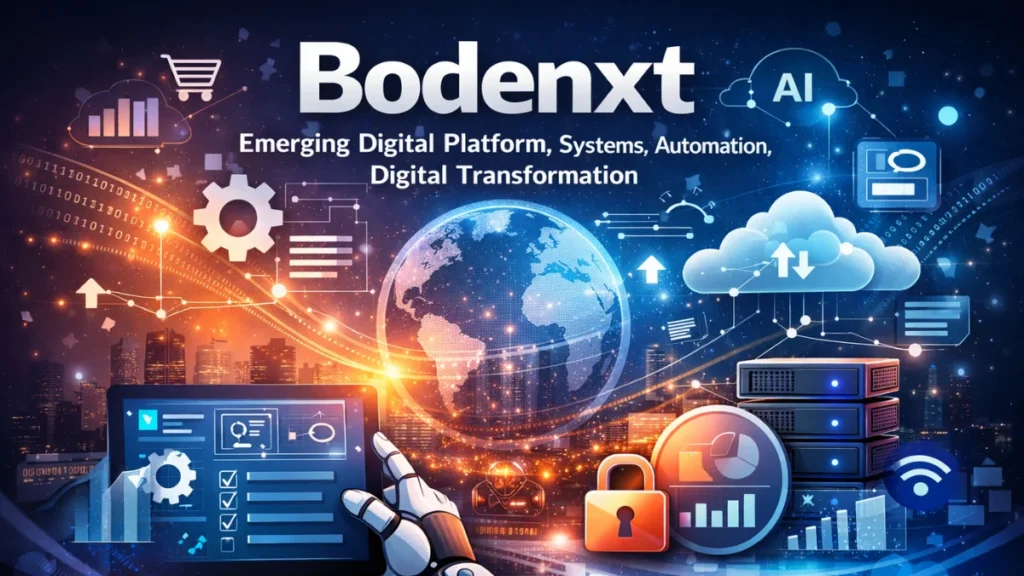
Modern platforms rely on multiple technologies that interact with each other to create smooth and efficient workflows while supporting scalable systems. A typical system includes cloud infrastructure, API integration, an automation engine, an analytics dashboard, and a security layer, all working together to maintain performance and reliability.
For example, customer data enters the system and is processed using automation tools, which help save time and reduce errors during operations. Through APIs, systems maintain seamless communication, while analytics dashboards display performance metrics in real time, enabling better decision making. At the same time, the security layer works to protect system data, ensure compliance, and maintain a high level of safety across all processes.
Why Businesses Are Adopting It
Many organizations today face constant pressure to upgrade their digital systems because older or traditional infrastructure cannot keep up with modern demands like advanced automation and handling large data volumes. This creates a clear need for more flexible and scalable solutions that can support business growth.
With improved efficiency, these systems reduce repetitive tasks and allow teams to focus on more meaningful strategic work that drives business value. Strong data integration improves systems communication, while scalability supported by cloud infrastructure ensures that businesses can expand without facing technical limitations.
Comparison with Traditional Systems
Traditional systems are usually built on on-premise servers, while modern platforms are cloud-based and offer better API integration with improved compatibility. This shift allows businesses to access their systems from anywhere while maintaining consistent performance.
Older systems provide minimal automation, whereas modern solutions offer advanced automation and are not hardware dependent, making them more adaptable. They are also highly scalable and provide real-time analytics instead of basic reporting, making them more efficient and flexible platforms for modern operations.
Practical Applications
Businesses use these systems to manage customer data, track sales pipelines, handle supply chains, and improve internal communication across teams. This creates a more organized workflow and reduces delays in operations.
Developers benefit by being able to build applications, integrate services, and monitor performance in a single environment, which improves overall productivity. With efficient data processing, even large organizations can manage complex and high-volume data effectively.
Real-World Example
An e-commerce company handling thousands of daily orders often relies on multiple tools, including databases and inventory systems, which can create inefficiencies if not properly connected. This lack of integration often leads to delays and errors.
By using a unified system, businesses can improve order processing, enhance inventory tracking, automate notifications, and enable real-time monitoring. This not only speeds up operations but also improves accuracy and customer satisfaction significantly.
Pros and Cons
The advantages include strong workflow automation, improved data visibility, faster integration, reliable scalability, and better collaboration between teams. These benefits allow businesses to operate more efficiently and adapt quickly to changes.
However, there are also challenges such as setup complexity, a noticeable learning curve, and the need for proper integration planning. Businesses must approach implementation carefully to ensure long-term success and avoid unnecessary complications.
Common Mistakes
One of the biggest issues is a lack of strategy and unclear goals, which often leads to project failure during digital transformation. Without proper planning, even advanced systems cannot deliver expected results.
Another common problem is poor system integration and lack of user training, which reduces effectiveness. Additionally, ignoring data security during system design can expose systems to serious risks and vulnerabilities.
Best Practices
To achieve success, businesses should start with clear objectives, such as improving workflows, reducing costs, or enhancing customer experience. This helps create a focused implementation strategy.
It is also important to ensure strong integration, secure databases, and use tools like authentication, encryption, and access control. Proper team training ensures employees understand system capabilities and platform features, leading to better adoption.
Future Trends
The future of these platforms includes AI-driven automation and smarter tools that can handle increasingly complex tasks with minimal human involvement. This will continue to improve efficiency and reduce manual workload.
In addition, systems will offer better predictive insights, enhanced user experience, and stronger connectivity, creating more advanced ecosystems that support innovation and growth in digital environments.
Frequently Asked Questions
What is Bodenxt and how does it work?
Bodenxt is an emerging digital platform concept that focuses on system integration, automation, and improving digital workflows. It works by connecting different tools and systems through technologies like APIs, cloud infrastructure, and automation engines. This allows businesses to manage operations more efficiently with real-time data and minimal manual effort.
What are the main benefits of using Bodenxt platforms?
Bodenxt platforms offer several benefits, including improved workflow automation, better data integration, and enhanced scalability. They help reduce repetitive tasks, improve decision-making through real-time analytics, and lower operational costs. These advantages make them valuable for businesses aiming to increase productivity and efficiency.
How is Bodenxt different from traditional systems?
Unlike traditional systems that rely on on-premise servers and limited automation, Bodenxt platforms are cloud-based and highly scalable. They support advanced automation, seamless integration through APIs, and real-time analytics. This makes them more flexible, efficient, and suitable for modern business needs.
Which industries can benefit from Bodenxt systems?
Bodenxt systems can be used across various industries, including e-commerce, software development, data management, and business operations. Any organization that requires system integration, automation, and efficient data handling can benefit from these platforms.
What are the common challenges when implementing Bodenxt?
Some common challenges include initial setup complexity, integration planning, and the learning curve for new users. Businesses may also face issues if they lack a clear strategy or proper training. However, these challenges can be managed with proper planning, training, and system design.
Conclusion
The concept of bodenxt represents a major shift toward smarter digital ecosystems, connected software systems, and efficient automation-driven frameworks. These systems help businesses improve operations, reduce complexity, and stay competitive in a fast-changing environment.With proper planning and a well-defined strategy, companies can gain valuable insights, achieve meaningful transformation, and improve long-term efficiency. From experience, adopting such systems early gives businesses a clear advantage in the digital landscape.
Content Credit: This article was written by the expert content team at AdvertisingOutreachSEO, a digital marketing and content agency that specializes in SEO-driven tech guides, SaaS content, and high-quality outreach content.