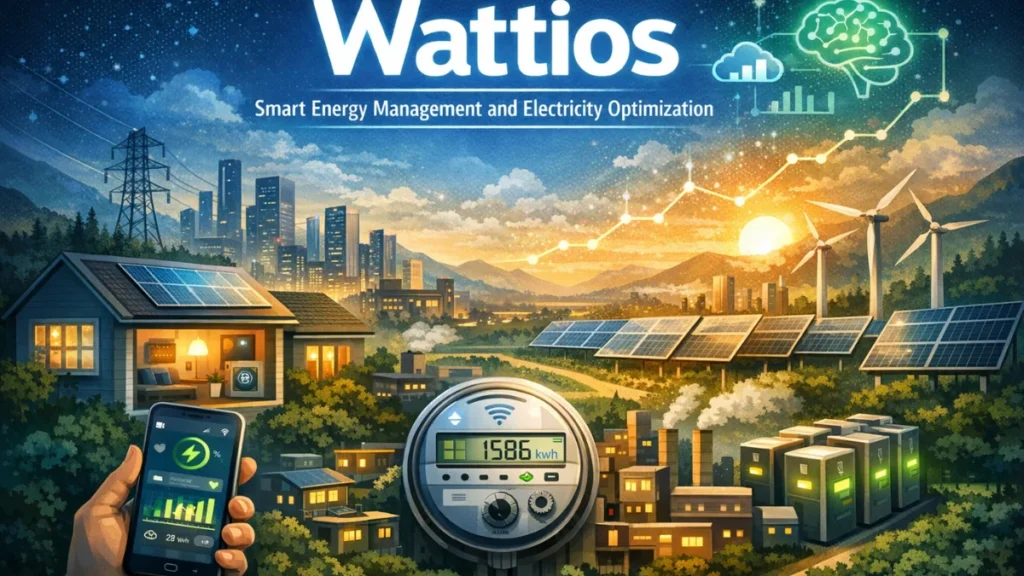
What if I told you that a large portion of your electricity usage is being wasted every single day without you even noticing it? When I first started paying attention to my own power usage, I realized that the real issue wasn’t just high bills — it was the lack of awareness around actual electricity consumption. That moment completely changed how I approached energy management, because I understood that small, unnoticed habits were quietly increasing my energy costs.
This is exactly where Wattios comes in. With the rise of smart energy, systems today rely on monitoring and optimization powered by advanced digital technologies. These data-driven solutions help users build more efficient habits through modern systems that are driven by intelligent energy insights. Instead of reacting to monthly bills, people can now actively manage their energy usage in real time, creating long-term control and sustainability.
Table of Contents
ToggleIntroduction to Wattios and Energy Consumption
In today’s world, energy consumption is deeply connected to everything we do, from daily activities in homes to operations across large industries. Devices such as appliances, advanced lighting systems, and large-scale data centers have become essential parts of modern life, helping improve comfort and productivity. However, this convenience often comes with hidden electricity usage that leads to unnoticed electricity waste, especially when systems are not monitored properly.
Due to growing concerns such as climate change, rising carbon emissions, and increasing global electricity demand, the need for better efficiency has become more urgent than ever. Technologies like smart meters, connected devices, and advanced monitoring platforms now allow users to track energy usage in real time. From my experience, once people gain visibility into their consumption, they naturally start making smarter decisions that reduce waste and improve overall performance.
Growing Need for Smart Energy Solutions
The increasing pressure of electricity costs has pushed individuals and organizations to focus more on sustainability and energy efficiency. These are no longer optional ideas — they are central to global discussions about how energy should be managed in the future. With modern digital solutions, users now have access to better energy control and advanced tracking systems that provide real-time insights into their usage patterns.
By analyzing consumption patterns, it becomes easier to identify inefficiencies and apply effective optimization strategies. These insights allow users to make smarter decisions, ensuring energy is used only when necessary. Over time, these small changes create a significant impact, reducing waste while supporting a more sustainable and responsible energy ecosystem.
Meaning and Origin of Wattios
The concept of Wattios is built on a strong foundation that combines scientific principles with modern innovation. The word originates from watt, the unit of electrical power, named after James Watt, a pioneer in engineering. His contributions to the steam engine during the Industrial Revolution played a major role in shaping modern power systems, making the term historically meaningful.
At the same time, the addition of a modern Spanish suffix gives the term a distinctive and contemporary identity. This combination makes Wattios highly relevant for today’s technology platforms, where innovation and energy awareness are key priorities. In my view, the name perfectly reflects the balance between traditional measurement and modern digital transformation.
Why the Term Wattios Represents Innovation
From a practical perspective, Wattios represents more than just a concept — it reflects true digital innovation and technological intelligence. It connects advanced energy systems with user-friendly monitoring platforms, making energy management accessible even for non-technical users.
By focusing on the optimization concept, supported by data analysis and modern tools, users can achieve better results with minimal effort. This approach promotes efficient electricity usage, helping reduce waste while maintaining performance. From my experience, this simplicity combined with smart technology is what makes Wattios highly effective.
Understanding Watts and Electricity Measurement
To fully understand Wattios, it’s important to understand watt, wattage, and electrical power. Every device consumes energy differently, and knowing these values helps identify which devices are using the most energy. For example, switching to LED bulbs can significantly reduce energy consumption without affecting performance.
Units such as kilowatt, kilowatt-hour, and kWh are used in electricity bills to measure usage over time. These measurements provide clear insights into device usage, allowing users to track their consumption and make better energy decisions. Once you understand these basics, managing energy becomes much easier and more effective.
How Energy Consumption is Calculated
Energy usage is calculated based on power usage over a specific period. For example, using 1000 watts for one hour equals one unit of electricity. This applies to all appliances, whether small household items or large industrial machines used in production environments.
Different systems such as heating systems operate at varying electricity levels, which makes continuous tracking essential. With proper monitoring and access to detailed consumption data, users can easily identify inefficiencies and reduce unnecessary usage, leading to improved energy performance over time.
How Wattios Enables Smart Energy Management
Traditional systems only provide limited monthly summaries, but smart energy management offers real-time insights into electricity usage. With advanced monitoring tools, users can instantly see how energy is being consumed and make immediate adjustments to reduce waste.
Systems like Wattios combine analytics, automation, IoT devices, and smart meters to analyze energy patterns. This integration allows users to improve efficiency while reducing manual effort, creating a smarter and more responsive energy system.
Real-Time Monitoring and Automation Benefits
With access to real-time data, users receive instant alerts and can manage systems using remote control features. They can also use scheduling to shift energy usage to off-peak hours, helping reduce costs significantly.
These systems rely on continuous system adjustments powered by advanced automation software. Over time, this leads to consistent energy savings, making energy management more efficient, reliable, and less time-consuming.
Technologies Behind Wattios Systems
Modern systems rely on tools like smart meters, advanced energy software, and visual dashboards to provide clear insights into energy usage. These technologies help users understand how energy flows through their systems and where improvements can be made.
When combined with IoT devices, artificial intelligence, and automation systems, these platforms perform advanced data analytics. They use pattern detection and build predictive systems that continuously improve energy performance over time.
How AI and IoT Improve Energy Efficiency
In real-world applications, AI analytics enables accurate demand prediction, while connected devices allow seamless automation across systems. This combination allows energy systems to respond quickly to changes in usage patterns.
As a result, users benefit from improved efficiency, stronger monitoring platforms, and more advanced intelligent systems. These technologies continue to evolve, making energy systems smarter and more adaptive.
Wattios for Homes and Smart Living
In residential environments, smart homes allow homeowners to manage their appliances and electronics more efficiently. With tools like monitoring tools, mobile apps, and interactive dashboards, tracking energy usage becomes simple and accessible.
Features such as scheduling devices, smart plugs, and control over standby power help reduce hidden energy waste. From my own experience, these small adjustments can lead to noticeable reductions in energy bills over time.
Reducing Energy Waste in Homes
A significant portion of energy waste comes from standby consumption, which many people overlook. Devices left plugged in continue to consume power even when not actively in use.
Using automated switches and adjusting usage based on electricity rates ensures more efficient usage and better device control. Over time, these simple changes can lead to meaningful energy savings.
Wattios for Businesses and Industries
For businesses and industries, energy management plays a critical role in maintaining profitability and efficiency. Facilities such as factories, production lines, office buildings, and retail stores rely heavily on consistent power usage.
Monitoring electricity consumption helps improve operational efficiency and supports accurate sustainability reporting. These insights allow organizations to reduce costs while maintaining productivity and meeting environmental goals.
Improving Industrial Energy Efficiency
Systems managing machinery and climate control depend on advanced monitoring systems to function efficiently. These tools help identify inefficiencies and improve performance across operations. With access to detailed energy data, businesses can achieve better performance optimization, reducing energy waste while improving output and reliability.
Frequently Asked Questions
What is Wattios in simple terms?
Wattios is an approach to energy management that allows users to track, evaluate, and improve how they use electricity. It uses modern technologies like smart meters, data analytics, and connected devices to give real-time insights, allowing individuals and businesses to reduce energy waste and improve efficiency.
How does Wattios help reduce electricity consumption?
Wattios improves electricity consumption by providing real-time monitoring and data-driven insights. It identifies high-energy devices, suggests better usage patterns, and enables automation such as scheduling appliances during off-peak hours, which ultimately reduces unnecessary power usage and lowers energy bills.
What technologies are used in Wattios systems?
Wattios systems rely on advanced technologies such as IoT devices, smart meters, artificial intelligence, and energy monitoring software. These tools work together to track energy usage, analyze patterns, predict demand, and automate energy-saving actions for better efficiency.
Can Wattios be used effectively in both homes and business environments?
Yes, Wattios is highly beneficial for both homes and businesses. In homes, it helps manage appliances, reduce standby power, and control energy remotely. For businesses and industries, it improves operational efficiency, reduces electricity costs, and supports sustainability reporting through detailed energy data.
Why is smart energy management important for the future?
Smart energy management is important because it helps reduce carbon emissions, lower electricity costs, and improve overall energy efficiency. As global energy demand increases, solutions like Wattios play a key role in creating sustainable systems and supporting the transition toward cleaner and smarter energy usage.
Conclusion – The Importance of Wattios
From my experience, Wattios represents more than just a tool — it is a complete shift in how we understand and manage energy. By combining advanced monitoring systems, improved efficiency, and a strong focus on sustainability, it empowers users to take full control of their electricity usage.
As energy technologies advance, platforms like Wattios are set to become critical for enabling smarter electricity management across both personal and organizational levels. The real power of Wattios lies not just in saving energy, but in transforming how we think about it — creating a smarter, more efficient, and sustainable future for everyone.
Content Credit: This article was written by the expert content team at AdvertisingOutreachSEO, a digital marketing and content agency that specializes in SEO-driven tech guides, SaaS content, and high-quality outreach content.