Table of Contents
ToggleOrigins and Linguistic Meaning of i̇ns Explained
When I first came across i̇ns, it seemed like just another simple term. But the more I explored it, the more I realized its deeper meaning and significance. The concept of i̇ns carries a truly multifaceted nature, connecting language, culture, and even technology. It is not limited to one context, which makes it more powerful and flexible in modern communication. Over time, I started seeing how it shapes our understanding of the world and influences how we see ourselves in everyday life.
The origins and roots of i̇ns reveal a rich linguistic heritage that stretches across different languages and traditions. It connects closely with the essence of being, linking humanity with existence, identity, and consciousness. This multiplicity shows how different societies perceive life in their own unique ways. From my experience, exploring these linguistic meanings felt like uncovering layers of awareness and deep philosophical interpretations that have evolved throughout history.
Cultural and Symbolic Interpretations of i̇ns
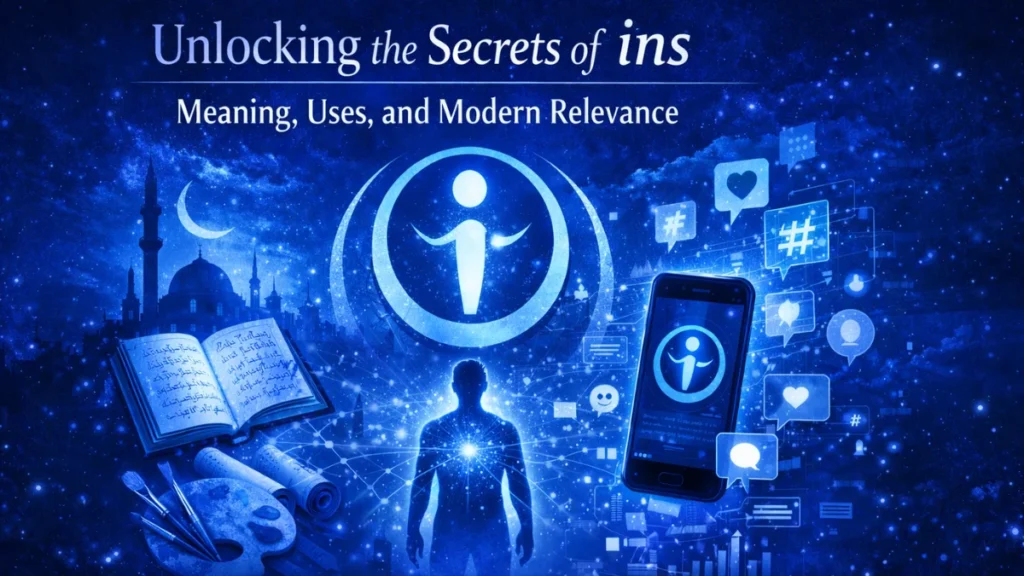
The i̇ns symbol carries strong cultural and symbolic meaning that connects people across different backgrounds and beliefs. It often represents connection, unity, and a deep sense of belonging that brings communities together. It also bridges different ideologies, reminding us of our shared humanity. I have noticed that when people engage with this symbol, they often feel an emotional connection even without spoken words.
At a deeper level, i̇ns invites reflection on identity and what it means to exist in an interconnected world. There is always a balance between individuality and collective experience, which gives the symbol its dual nature. This makes it both profound and versatile in different situations. Its ability to adapt while maintaining meaning makes it valuable in both cultural discussions and personal understanding.
How i̇ns Is Used in Technology and Digital Communication
In today’s rapidly evolving digital world, i̇ns plays an important role in everyday communication. On social media, it works as a symbol or shorthand that helps users express complex emotions and ideas quickly. Its adaptability makes it ideal for modern online environments, where speed and clarity are essential. I have personally seen how it allows people to communicate more effectively without long explanations.
Many platforms and apps now integrate i̇ns into their interfaces to improve user interaction and engagement. It acts as a simple visual cue that is easy to understand. As technology evolves, the role of i̇ns in digital communication continues to expand. This creates new possibilities for how people connect, share ideas, and express themselves in the digital world.
i̇ns vs Emojis and Hashtags: Key Differences
When comparing i̇ns with other variants like emojis or hashtags, the differences become clear. While these tools serve specific communicative functions, i̇ns carries deeper emotional and intellectual value. It is not just about quick communication but about meaningful expression. This makes it stand out in modern communication systems.
It also encourages deeper thinking and contemplative engagement. Users are more likely to reflect on what they are expressing, which creates multidimensional interactions. This contrast highlights the growing complexity of communication in today’s digital spaces. As people look for more meaningful ways to connect, tools like i̇ns become increasingly important.
Creative and Educational Applications of i̇ns
The creative potential of i̇ns is something that truly stands out in modern expression. Artists and designers often use it as a motif across different mediums, pushing boundaries and encouraging innovation. I have seen how it inspires new ideas and helps creators think beyond traditional limits. This makes it a powerful element in creative industries.
In educational settings, this term becomes a valuable tool for learning and exploration. It allows students to understand its meanings across different cultures and contexts. This helps build critical thinking and boosts creativity. It also connects language, art, and philosophy in a way that makes learning more engaging and meaningful.
Psychological and Semiotic Dimensions of i̇ns
From a psychological perspective, this term has a strong influence on cognition and perception. It can trigger emotional responses and encourage introspection. I have noticed that even a simple symbol can create deep curiosity and reflection. This shows how powerful symbolic communication can be in shaping human thought.
From a semiotic perspective, i̇ns works as a signifier with layered meanings. Each interpretation adds depth and richness to its use. In typography, its form affects readability and aesthetic appeal. These design choices influence how people interact with it in both digital and print mediums, increasing its overall impact.
Future Scope and Practical Integration of i̇ns
The future of i̇ns looks promising with many new applications emerging. With the rise of augmented reality and other emerging technologies, it may become part of immersive experiences. These experiences can improve user engagement and make communication more interactive. I believe this will redefine how symbols are used in everyday life.
On a personal level, integrating this concept into daily practices like mindfulness, journaling, or art creation can be very meaningful. It helps connect personal experiences with broader cultural narratives. This encourages introspection and opens pathways for growth and creativity. Over time, this integration leads to a deeper understanding of both self and society.
Case Studies and Critical Perspectives on i̇ns
Looking at different case studies, we see how i̇ns symbolism changes across cultures. In some artistic circles, it represents interconnectedness and community. In others, it reflects shared collective experiences. This variety shows how flexible and meaningful the concept can be in different contexts.
However, there are also critiques. Some argue that its ambiguity leads to misinterpretations, making its meaning too fluid. This variability both strengthens and challenges its symbolic power. These discussions create ongoing debates in modern discourse and shape how we understand cultural expressions today.
Frequently Asked Questions
What is the meaning of i̇ns?
The term i̇ns refers to a concept that carries deep symbolic, cultural, and linguistic meaning. It is often associated with ideas like identity, consciousness, and human connection. Depending on the context, it can represent both personal understanding and collective experience.
How is i̇ns used in digital communication?
In modern digital communication, this term is used as a symbol or shorthand to express complex emotions and ideas quickly. It is commonly seen on social media platforms and digital interfaces, where it helps improve user interaction and engagement.
What makes this concept different from emojis or hashtags?
Unlike emojis or hashtags, this concept carries deeper emotional and intellectual meaning. While emojis and hashtags serve specific communication purposes, i̇ns allows for more thoughtful and multidimensional expression, making it more meaningful in certain contexts.
Why is this term important in cultural and philosophical contexts?
i̇ns plays an important role in cultural and philosophical discussions because it represents concepts like unity, identity, and interconnectedness. It helps people reflect on their place in society and understand the balance between individuality and collective experience.
Conclusion: Why i̇ns Matters in Today’s World
So, why does i̇ns really matter today? The answer lies in its ability to connect meaning, identity, and communication in a simple yet powerful way. It represents a rich tapestry of interpretations that continue to evolve. Its presence across different contexts highlights its lasting significance in modern life.
From my own experience, engaging with this concept has improved how I understand communication and expression. It encourages reflection, builds deeper insight, and connects us to a shared human experience. Embracing its complexity allows us to think more creatively and communicate more effectively in a constantly changing world.