Simulation games have become one of the most fascinating parts of the modern gaming industry. They allow players to experience complex systems, build virtual worlds, and control environments that mirror real life. Over the years, the genre has grown from simple digital experiments into highly immersive experiences. Titles like SimCity and The Sims introduced players to the idea of managing cities and lives, and today innovative concepts like Simpcit6 continue to push the boundaries of simulation gaming. Understanding how this genre evolved helps us see why simulation games remain so popular among gamers worldwide.
Table of Contents
ToggleThe Rise of Simulation Games
The story of Simpcit6 becomes clearer when we look at the rise of simulation games in the broader gaming industry. In the early days, a few groundbreaking titles such as SimCity and The Sims introduced players to interactive virtual playgrounds where creativity and freedom became central parts of the experience. These early simulation titles proved that people enjoyed building worlds where imagination shaped the outcome. Players could experiment without limits, and that freedom changed how the genre evolved.
As technology improved, the expectations of players also changed. Developers began creating detailed environments and systems that allowed realistic interactions inside virtual spaces. Improved graphics made these immersive experiences feel almost lifelike, which helped the genre attract more attention. With each improvement, simulation games became more engaging, and players felt like they were part of living systems rather than simple digital worlds.
Another major shift happened when smartphones and mobile platforms entered the gaming market. Suddenly, casual gamers could enjoy quick sessions during their daily routines or spend hours taking deep dives into intricate worlds. These mobile experiences expanded the audience for simulation titles, making the genre more accessible than ever.
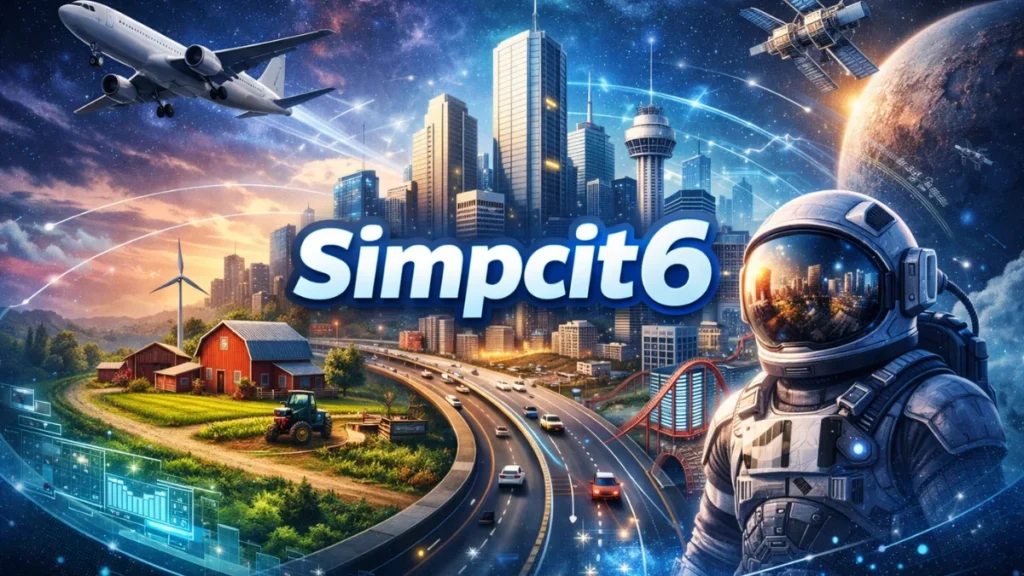
Today, the market shows a diverse array of games covering themes like farming, city development, and even space exploration. Each game introduces a different flavor, but they all keep the core elements that make simulation games beloved by many players around the world. Modern concepts like Simpcit6 represent the next step in this growing evolution.
What Defines a Simulation Game
Understanding simulation games begins with recognizing their main goal: to replicate real-life activities and everyday scenarios inside a gaming environment. These experiences are built around realism, which allows players to interact with detailed environments that mirror systems found in the real world.
At the heart of these games are mechanics designed to imitate real-world systems. For example, a player might be managing a virtual farm, operating transportation networks, or piloting an aircraft across complex digital landscapes. These systems rely heavily on interactivity, which is a key hallmark of the simulation genre.
The importance of player choice cannot be ignored. Players make decisions that influence outcomes, shaping personalized narratives within structured parameters. Many titles also include learning elements where players explore ideas like city planning or financial management, gaining useful insights while enjoying the gameplay.
The depth of gameplay can vary widely across simulation titles. Some games offer granular control over every small detail, while others provide a more casual experience focused mainly on fun and creativity. Ultimately, simulation games encourage critical thinking and strategic planning while delivering immersive experiences that keep players engaged for long periods.
Different Subgenres of Simulation Games
Life Simulation Games
Among the many subgenres of simulation games, life simulation games are extremely popular. In The Sims, players can create and control entire virtual lives. They build homes, form relationships, and manage careers while exploring endless stories. The strong sense of freedom and creativity makes these games highly engaging.
Vehicle Simulation Games
Another important category is vehicle simulation games, where players experience the thrill of driving trains, trucks, or flying aircraft. A well-known example is Microsoft Flight Simulator, famous for its realistic experiences, advanced physics, and stunning graphics. These games attract many aviation enthusiasts who enjoy exploring the skies in highly detailed environments.
Building and Management Simulations
Some simulation games emphasize strategic planning through building simulations and management simulations. A great example is Cities: Skylines, where players develop a growing metropolis while managing resources, traffic systems, and city services. These games often require careful thinking about infrastructure and long-term planning.
Tycoon Simulation Games
The tycoon simulators category focuses on entrepreneurship and creativity. In RollerCoaster Tycoon, players build an entertainment empire while balancing imagination and strategy. These games highlight the endless possibilities within the gaming world for different player styles.
The Evolution of Simulation Games Over Time
Early Simulation Game Foundations
The history of simulation games began with simple systems. In the early days, developers used basic mechanics and simplistic graphics, yet players still enjoyed these experiences. Classic titles like SimCity created the groundwork for advanced city-building experiences that inspired many later games.
The Introduction of 3D and Immersion
As technology improved, gameplay evolved with the introduction of 3D environments. These innovations created deeper immersion, allowing players to explore detailed worlds filled with dynamic systems that felt more realistic and alive.
Modern Simulation Games and Simpcit6
Modern simulation games now use advanced technologies such as virtual reality and VR systems to create powerful scenarios that increase engagement levels among gamers. Games include intricate systems that simulate real-life processes, such as farming in Stardew Valley or managing civilizations in Civilization VI.
Each new generation of simulation titles pushes boundaries and introduces emerging trends in the gaming landscape. Innovations like Simpcit6 represent how developers continue experimenting with new mechanics, deeper realism, and more interactive environments.
Popular Simulation Games and Their Impact
The Sims and Social Simulation
The Sims allows users to craft digital lives and explore complex relationships that mirror real-world dynamics. This playful format often sparks conversations about social interactions, lifestyle choices, and personal identity.
Microsoft Flight Simulator and Realism
Microsoft Flight Simulator is widely praised for its incredible realism. Its advanced graphics and remarkable attention to detail create an immersive flying experience loved by both aviation enthusiasts and casual gamers.
Cities Skylines and Urban Strategy
In Cities: Skylines, players design massive urban landscapes while solving problems like traffic management, resource distribution, and public services. The game encourages strategic thinking related to city planning and sustainability.
Future of Simulation Games
Virtual and Augmented Reality in Simulation
The future of simulation games is filled with exciting transformation as new technology appears. Tools such as virtual reality, VR, and augmented reality (AR) will allow players to explore game environments in completely new ways. Imagine stepping inside a virtual city or managing a digital farm directly from your living room.
AI and Personalized Simulation Experiences
The growth of artificial intelligence will improve gameplay through adaptive systems that create dynamic scenarios based on player choices. This type of personalization can build deeper emotional connections between players and their digital worlds.
Eco-Focused Simulation and Multiplayer Worlds
Future multiplayer simulations may bring together large interactive communities working toward shared objectives and complex challenges. Players could collaborate on massive projects or compete in intricate scenarios that test their strategic skills. At the same time, developers may design eco-focused simulation games that explore environmental sustainability and real-world challenges.
Frequently Asked Questions
What is Simpcit6?
Simpcit6 is a concept related to modern simulation games that focus on building, managing, and controlling virtual environments. It represents how simulation gaming continues to evolve by combining creativity, strategy, and advanced technology to create immersive gameplay experiences.
What are simulation games?
Simulation games are video games designed to replicate real-life activities or systems. These games allow players to experience situations such as managing cities, running businesses, farming, or flying aircraft while interacting with realistic environments.
Why are simulation games so popular?
Simulation games are popular because they give players freedom to experiment and create their own experiences. Players can build cities, manage resources, or control virtual lives, which makes the gameplay engaging and often relaxing compared to other gaming genres.
What are some examples of popular simulation games?
Some well-known simulation games include SimCity, The Sims, Cities: Skylines, Microsoft Flight Simulator, Stardew Valley, and Civilization VI. These games have helped shape the simulation genre by introducing realistic mechanics and creative gameplay systems.
What is the future of simulation games?
The future of simulation games looks promising as developers continue to integrate new technologies like virtual reality (VR), augmented reality (AR), and artificial intelligence (AI). These innovations will make simulation games more immersive, interactive, and personalized for players.
Conclusion
The journey of simulation games shows an impressive evolution within the gaming genre. From simple city-building experiments to complex virtual worlds, the industry has continuously pushed creative boundaries. Titles like Simpcit6 highlight how developers continue to expand the possibilities of immersive gameplay.
Over time, simulation games have influenced gaming culture while also touching areas like economics, social behavior, and urban planning. As developers experiment with virtual reality, artificial intelligence, and new technologies, the future of simulation games looks even more exciting. For players who enjoy building, managing, and experimenting with digital worlds, simulation games will continue to provide endless opportunities for creativity and discovery.
Content Credit: This article was written by the expert content team at AdvertisingOutreachSEO, a digital marketing and content agency that specializes in SEO-driven tech guides, SaaS content, and high-quality outreach content.